Related PDF Features
Explore conversion, OCR, page management, editing, annotations, compression, and protection.


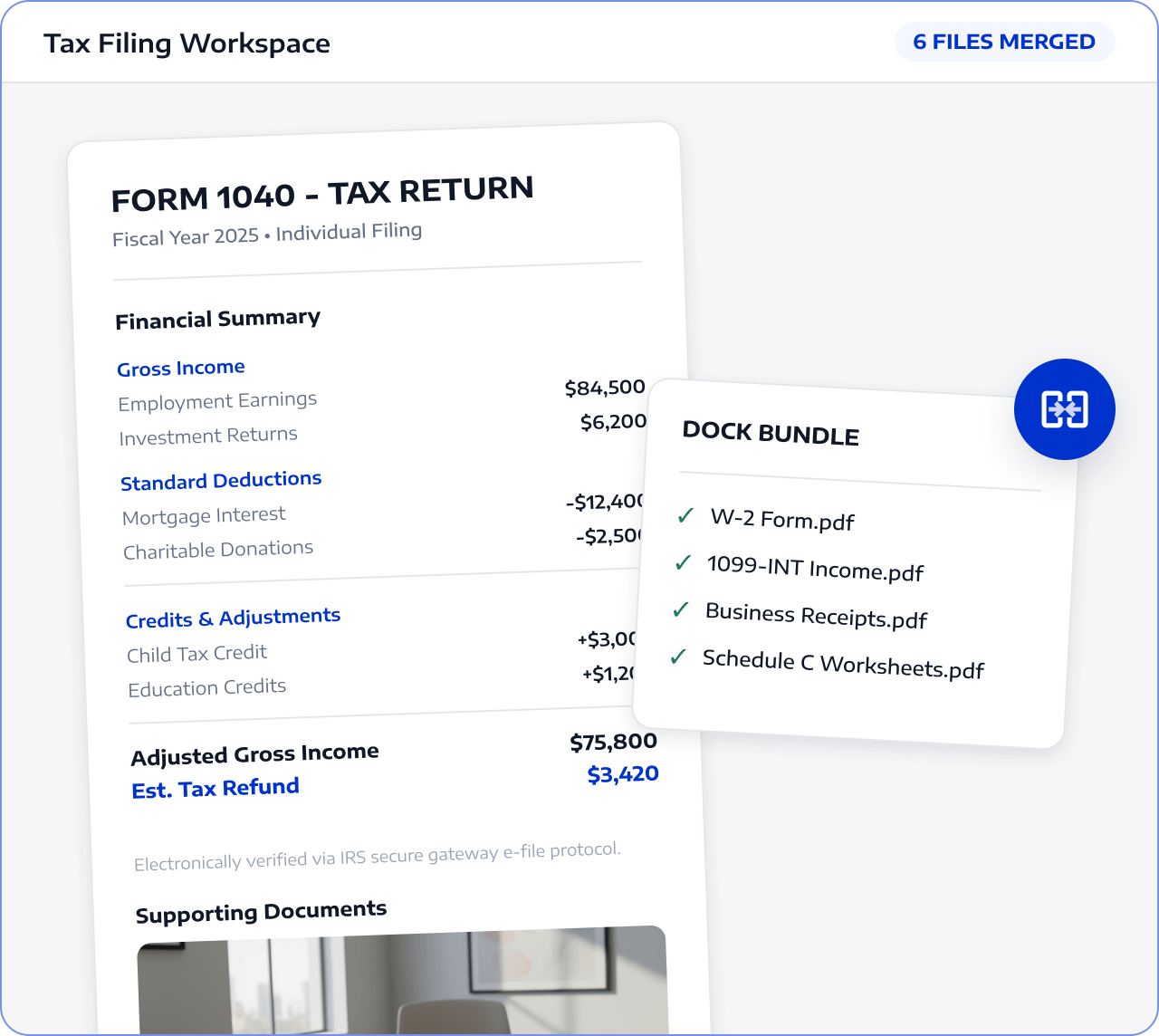
Standardize document formats, page order, and file size to help finance teams prepare a clear set of tax documents for review.

Applicable roles: Finance teams, tax teams, and accounting service teams

Input: Invoices, receipts, tax forms, and supporting documents

Output: Tax filing package ready for submission
Files are often scattered across sources and formats, with manual checks and version exchanges. This raises costs and makes changes and handoffs harder to track.
 Files are scattered across sources, versions, and page orders.
 Teams must find, check, and organize key content manually.
 Sensitive information and final versions require review before handoff.
Process files in sequence with LynxPDF, bringing them closer to a delivery-ready result at every step.
Import invoices, receipts, tax forms, and supporting evidence.
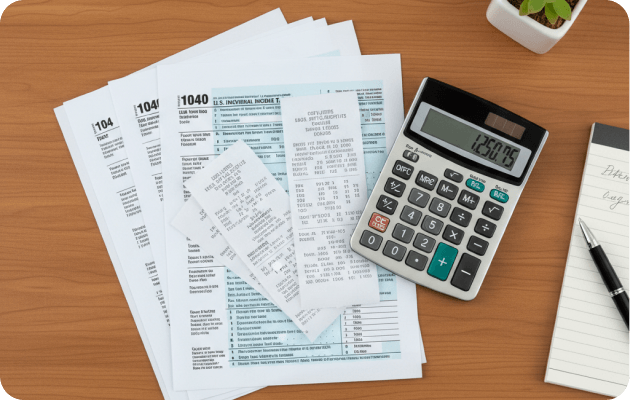
Standardize formats and organize pages by period or category.
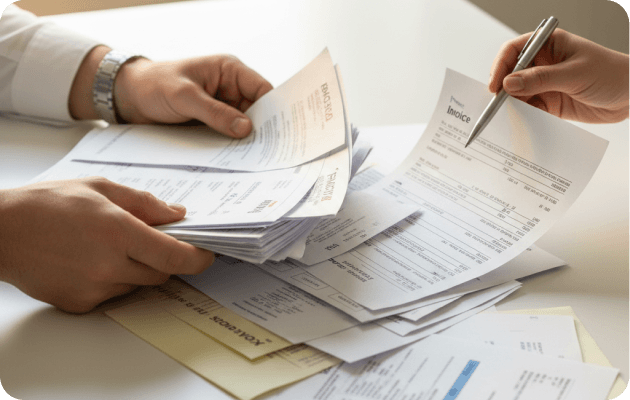
Check amounts, periods, attachments, and file size.

Process scanned receipts and files from different sources.
Organize pages by tax period, project, or material type.
Prepare files that meet sharing or submission requirements.