

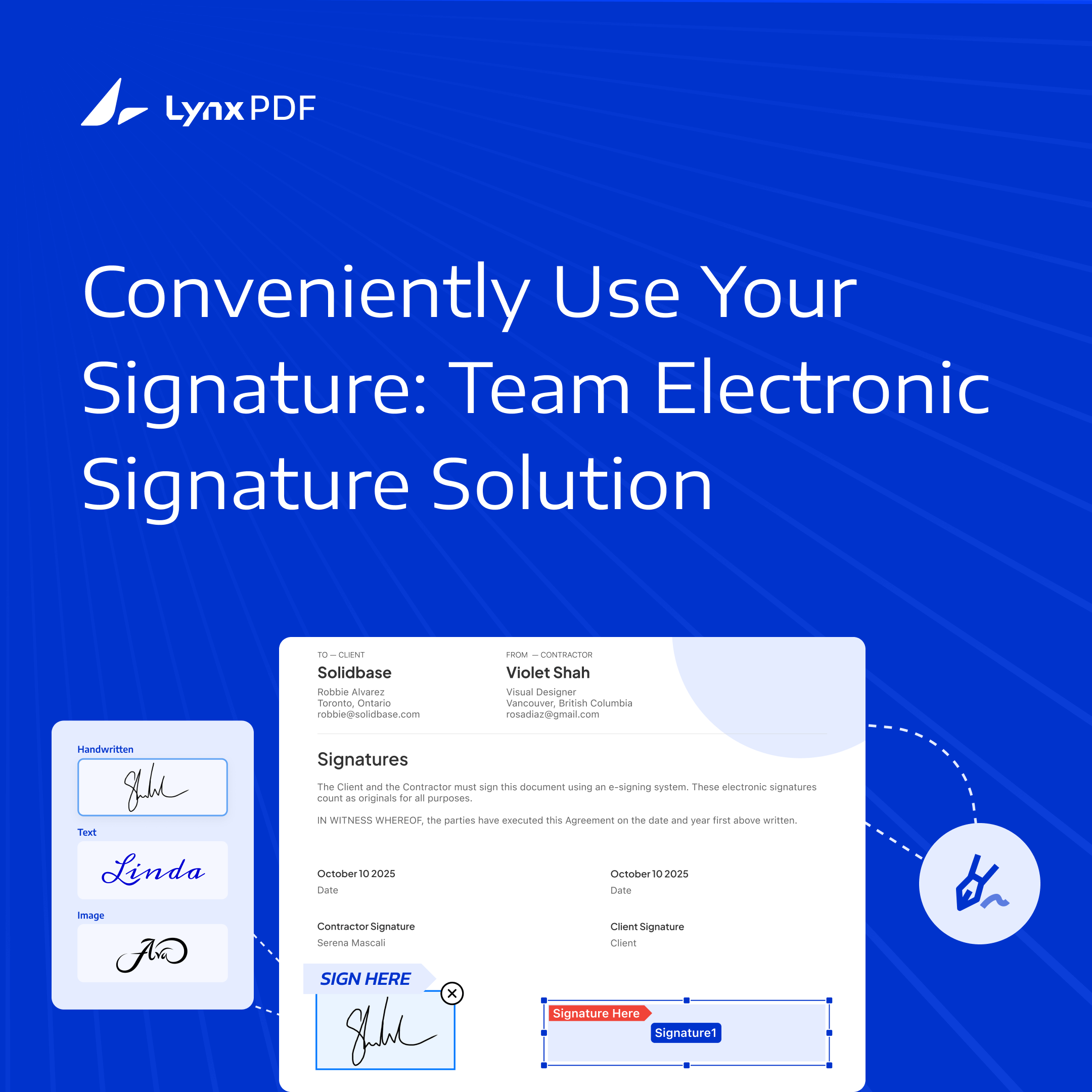
For decades, signing contracts typically involved printing, scanning, mailing, and waiting — an inefficient process. As global teams have become increasingly geographically dispersed and digital transformation has reshaped every workflow, businesses have found the inefficiency of paper signatures unbearable and have begun using electronic signatures.
Today, securely signing PDFs is not just about convenience, it also ensures legal compliance, document integrity, and speed. So, how can modern enterprises build a seamless and trusted signing process?
Let's explore how PDF signatures — from simple electronic approvals to certified digital seals — are redefining how teams work, collaborate, and approve documents.
Understanding PDF Signatures in Modern Business
1. What Are Electronic Signatures & Digital Signatures?
An electronic signature is the digital equivalent of your handwritten name. It can appear as typed text, an uploaded image, or a stylized drawing on a PDF. Its primary strength lies in efficiency — enabling instant approvals, faster turnaround, and remote collaboration without the need for physical documents.
For day-to-day operations such as internal approvals, HR onboarding, or non-binding agreements, e-signatures offer the agility enterprises need to move faster.

Image Source: Pixabay
A digital signature goes a step further. Backed by cryptographic certificates issued by trusted authorities, digital signatures authenticate the signer’s identity and ensure the document has not been tampered with. Therefore, they are suitable for contracts, invoices, or compliance documents requiring legal validity.
In general, Digital signatures are a more secure form of electronic signature; Electronic signatures encompass digital signatures. In practical applications, they each have their own emphasis:
- Electronic signatures drive agility and help teams sign faster.
- Digital signatures guarantee legal integrity and protect sensitive data.
Modern enterprises need both: flexible electronic signatures to handle daily workflows, and certified digital signatures to sign binding agreements. This hybrid approach, balancing speed and security, is the cornerstone of building a reliable digital document ecosystem.
LynxPDF enables enterprises to complete all signing actions in a secure local environment — with timestamp records, encryption, and signature authenticity to ensure document integrity.
Mastering PDF Signatures — Tips to Sign Smarter
In today’s workplace, not all signatures serve the same purpose. Some focus on speed and convenience, while others must meet legal or compliance standards. With LynxPDF, teams can choose the right signing method for every workflow — from quick approvals to high-security contracts.
If you need to sign fast, the electronic signature is your best option. LynxPDF lets you insert a handwritten mark, typed name, or image signature, and even save preferred styles for daily approvals.

Image Source: Pixabay
For contracts, audits, or regulated documents, the digital signature provides extra protection. LynxPDF uses encrypted certificates and timestamps to verify each signer’s identity and preserve document integrity. Every signature is tamper-proof and legally valid — perfect for teams that handle confidential or cross-border paperwork.
No matter the use case, every signature in LynxPDF strengthens trust, security, and workflow efficiency.
1. Set Up and Customize Your Digital Signature
For users who already have a verified digital identity, LynxPDF allows you to import existing digital certificates and apply them directly to your files. The system supports multiple cryptographic algorithms — including RSA_RSA, MD2RSA, MD4RSA, MD5RSA, SHA1RSA, SHA256RSA, and SM3SM2 — ensuring compatibility across enterprise signing standards. Long-Term Validation (LTV) certificates are also supported, allowing your digital signatures to remain legally verifiable even after the original certificate has expired. This is particularly important for contracts, financial documents, and project reports that must be preserved for years without losing their compliance value.
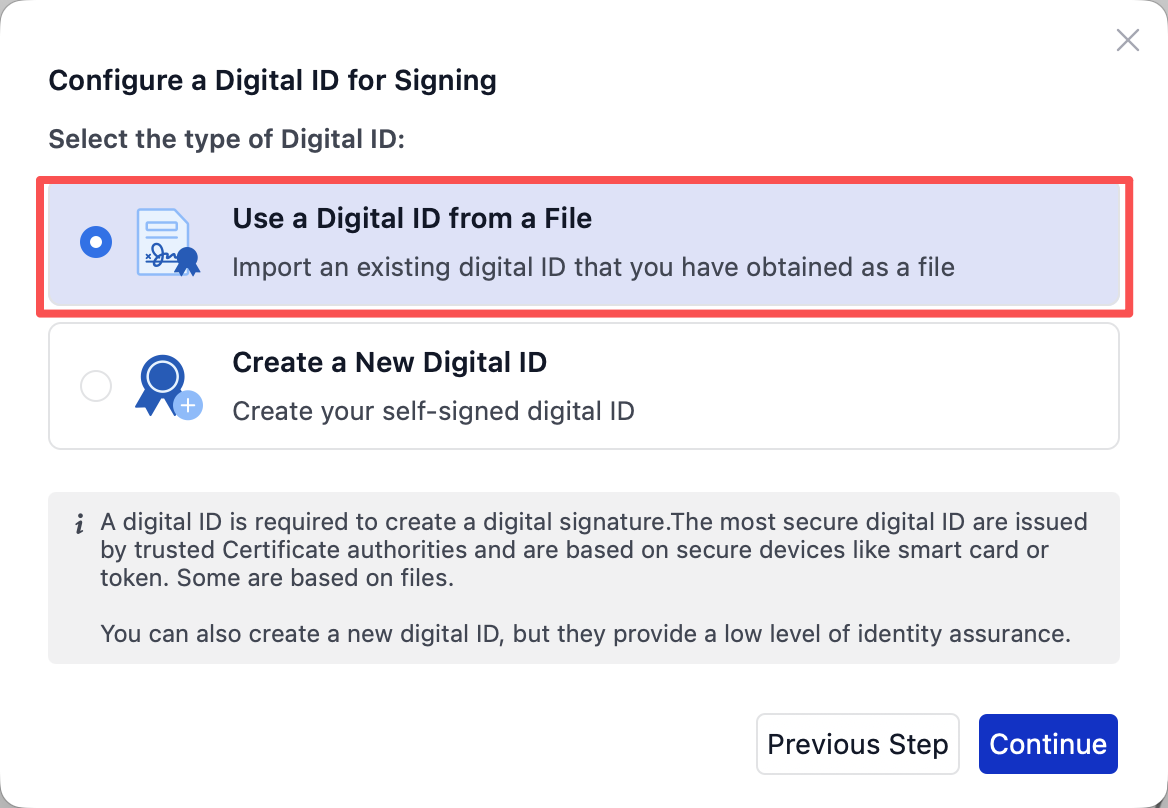
If you don’t already have a certificate, LynxPDF also enables you to create a new digital ID in LynxPDF. You can customize every element of your signature identity — from your personal or company information (name, position, organization) to metadata such as signing time, location, and reason. The signature’s visual appearance is also yours to design: draw a handwritten mark, import your company logo, or add embedded text to communicate context directly in the signature block.
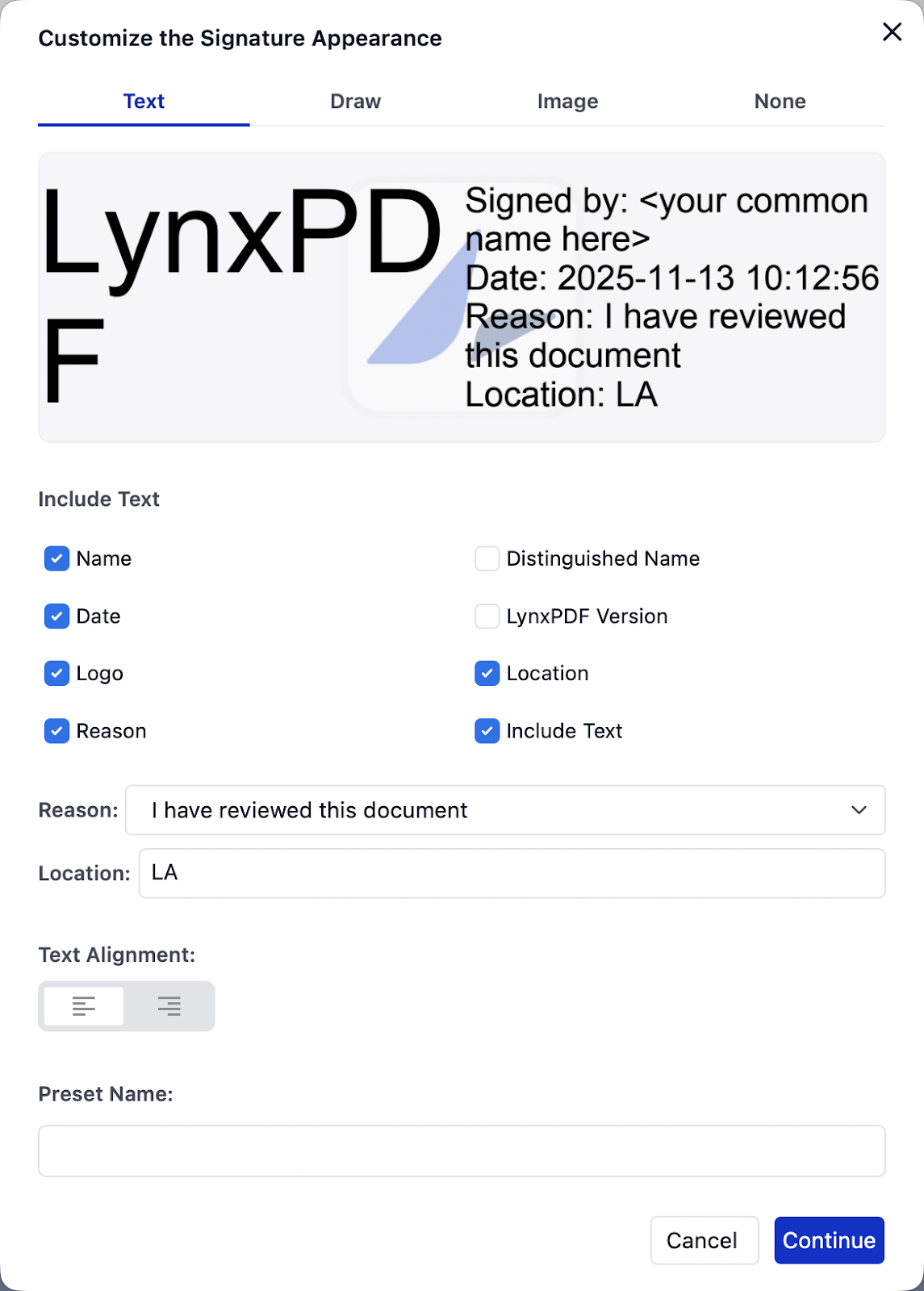
After signing, the signature panel instantly displays validation status, timestamps, and integrity checks, ensuring every document remains tamper-proof and compliant.
2. Validate Signatures to Ensure Security
In collaborative environments, verifying signature authenticity is crucial. A document may appear valid at first glance, but could have been modified after signing — compromising its integrity. LynxPDF makes this verification process transparent: users can check each signature’s status, view certificate details, and confirm whether the file has been altered since it was signed.
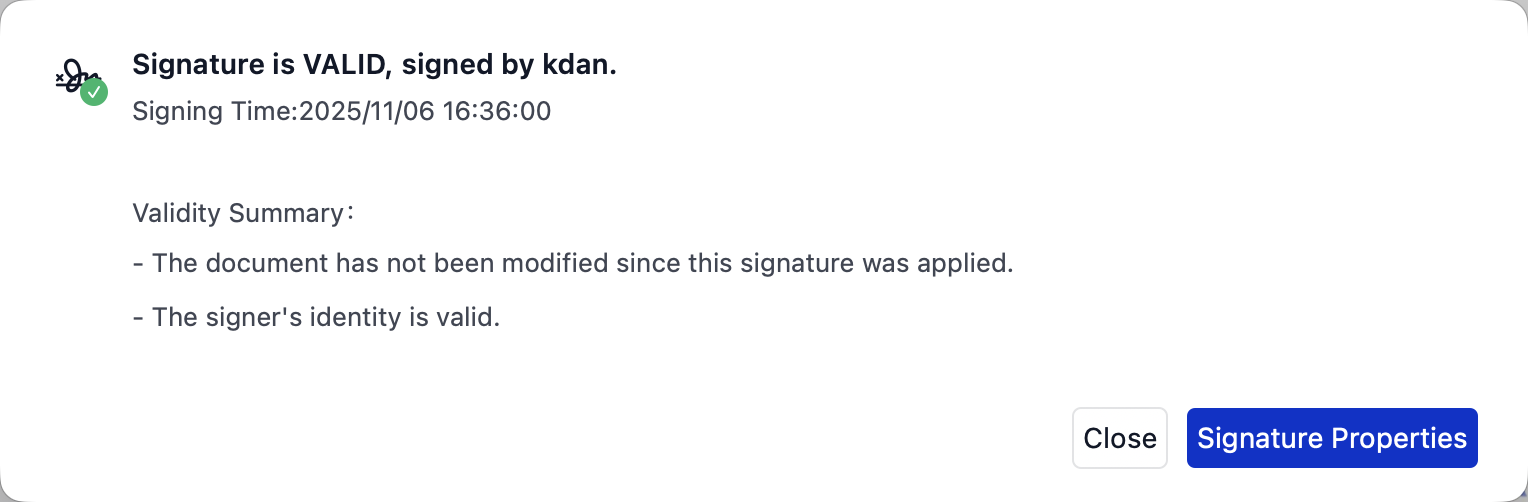
Before processing any external contract or audit file, it’s good practice to validate all embedded signatures. This simple step prevents unauthorized changes, protecting both parties from legal disputes and compliance risks.
3. View All Signatures at a Glance
When multiple stakeholders are involved, understanding the validity of all signatures is crucial. LynxPDF's signature sidebar solves this problem by providing an overview of each signer and their status. Whether it's an internal approval process or a cross-departmental review, managers can quickly identify signature status and clearly document the process.
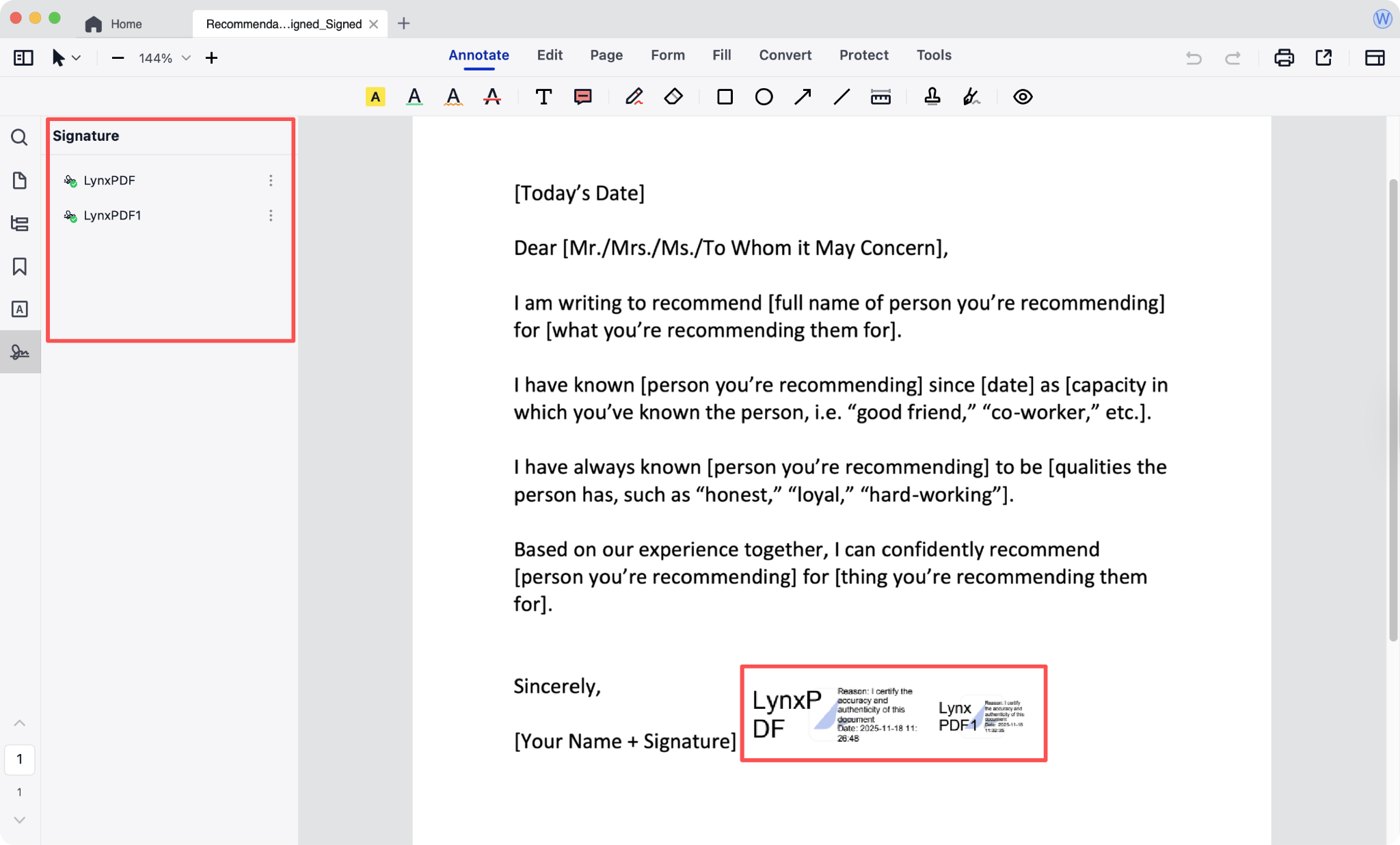
By centralizing this view, teams can avoid unnecessary follow-up work and ensure that every step in the approval chain is completed efficiently. Download LynxPDF to experience a simpler, safer way to sign your documents.
How Teams Use PDF Signatures Effectively
In real-world workflows, LynxPDF’s signing tools are already helping businesses simplify complex approval and compliance processes:
1. Contract Signing — Ensuring Compliance and Consistency
Cross-department or cross-border contracts often suffer from inconsistent signature versions and unclear modification history. With digital IDs, every signer’s identity is verified, and automatic timestamps preserve a complete signing record. The validation feature confirms document integrity, ensuring that all parties are referencing the same, legally binding version.
🌟 Example: The sales team signs partnership contracts using pre-set digital IDs with timestamps. After all parties sign, the team verifies each signature in the sidebar to ensure the final version is identical and legally valid.
2. Project Review & Approval — Making Workflows Transparent
During project reviews, different team members may need to sign off on progress reports, proposals, or internal assessments. LynxPDF's signature sidebar allows reviewers to instantly see who has signed, with each signature including name, date, and other data. This helps maintain transparency in the approval process.
🌟 Example: A project manager adds a "Reviewed" signature and a reason to a document. The manager can also instantly see which team members have approved the document through the signature sidebar, ensuring that every step of the workflow is visible and well-organized.

Image Source: Pixabay
3. Finance & HR Documentation — Verifying Document Authenticity
In finance and HR workflows, maintaining the authenticity of official documents is crucial. With LynxPDF’s digital signatures, users can confirm whether a file has been modified after signing and verify that each signature remains valid. This helps ensure that approval records — such as expense reports or employee forms — are consistent and trustworthy across departments.
🌟 Example: Before archiving monthly reports, the finance team uses LynxPDF to validate each digital signature, confirming that all approved documents remain authentic and untampered.
Conclusion — Build a Safer, Smarter Signing Workflow
As enterprises move toward digital-first operations, secure PDF signing becomes a vital pillar of business trust. It accelerates decision-making, ensures compliance, and enhances collaboration — all while maintaining full document integrity.
With LynxPDF, teams can confidently sign PDFs using both electronic and digital signatures, and verify every step in the document’s lifecycle. From contracts to compliance forms, every signature becomes a mark of authenticity and reliability.
👉 Try LynxPDF today — and experience seamless, secure PDF signing for your business.


